
Integrated System Thinking
Making Complex Products Easier to Build, Use, and Scale
The Brief Is Almost Never About the Object.
Every project starts with a stated brief. Replace manual bending with a machine. Design a better baby monitor. Fight hospital-acquired infections. The moment you start mapping the system, a different problem reveals itself.
Pensa defines the architecture of the whole before committing to any part of it. We map the users, devices, data flows, interfaces, and dependencies first, then design into that picture. The capabilities below are how we execute on a system correctly understood.
Services

Make the Physical Product Work With the Entire System
The physical product is often the most tangible part of the experience, but it cannot be designed in isolation. Industrial design and mechanical engineering develop alongside electronics, sensing, connectivity, power, thermal requirements, serviceability, and manufacturing constraints to create a product that works as part of the larger system.
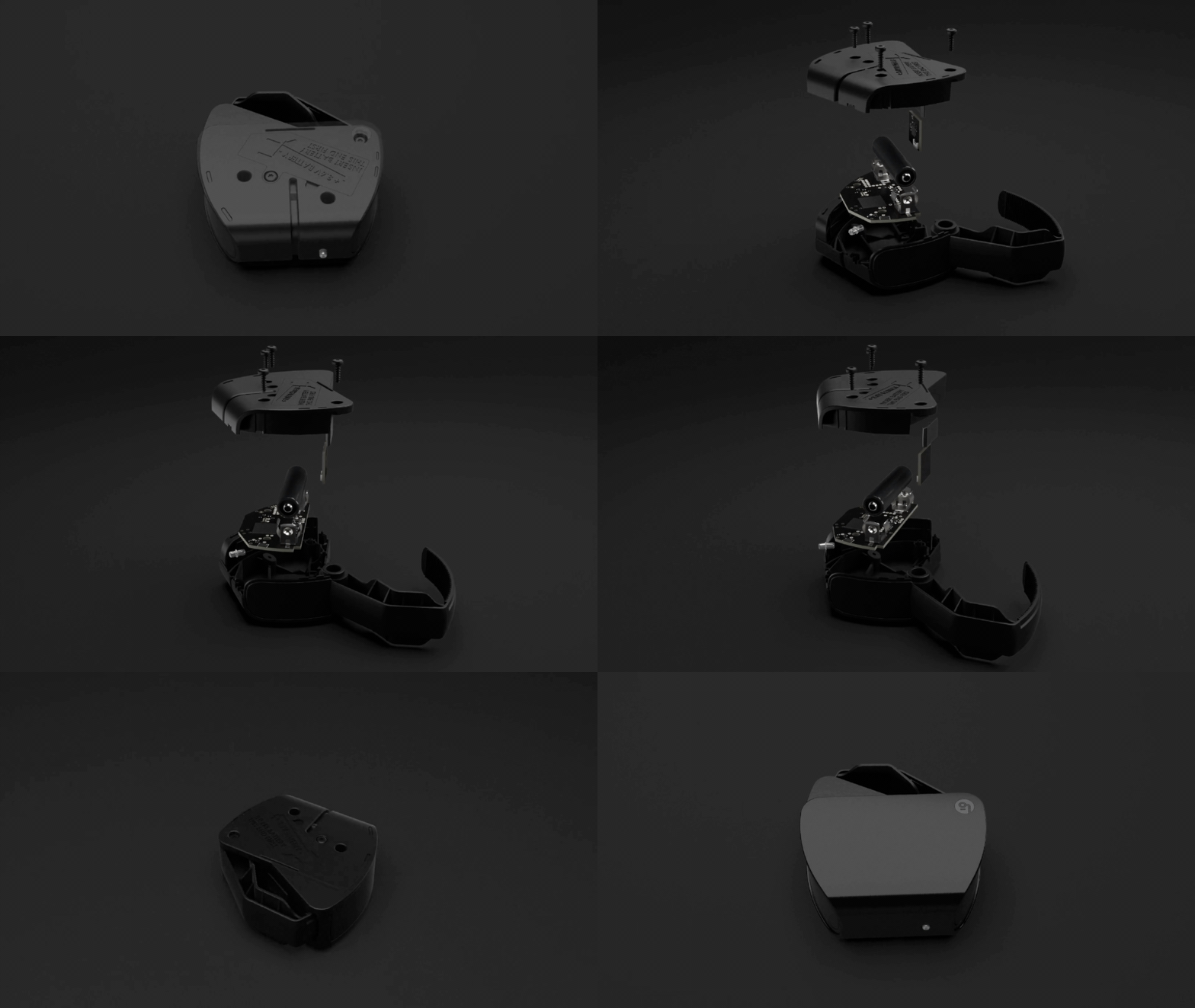
Make Better Hardware Decisions Earlier
We develop the electronic architecture that connects sensors, processors, power systems, communications, controls, and other critical components. Early technical decisions are made in the context of the complete product, balancing performance, cost, size, power consumption, reliability, and manufacturability.

Keep Hardware and Digital Behavior in Sync
Firmware is the bridge between the physical device and the digital system around it. We develop embedded behavior, sensing, control, connectivity, data handling, diagnostics, and update strategies with an understanding of both the hardware below it and the applications and cloud services above it.
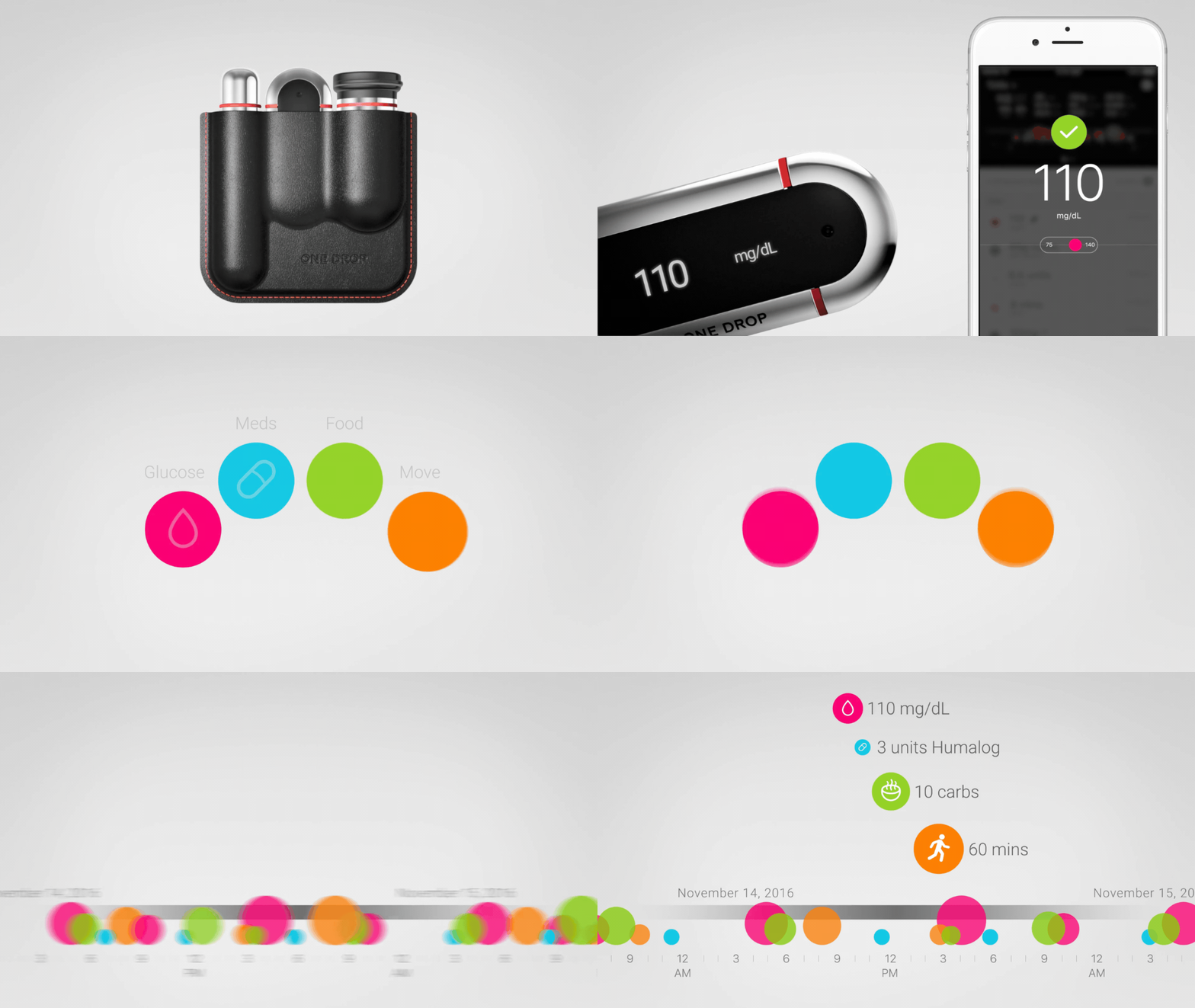
Build Connectivity That Holds Up in the Real World
Connected products need more than a wireless connection. We consider pairing, provisioning, data transfer, offline behavior, security, reliability, device management, and the realities of operating in the field to create connected experiences that remain dependable beyond the demo.

Turn Connected Devices Into a Scalable Product Ecosystem
The cloud layer turns individual devices into scalable systems. We define how data moves through the product ecosystem, how devices are managed, and how information is stored, processed, surfaced, and acted upon across users, services, and organizations.

Make Complex Technology Feel Simple to the User
A successful system should feel simple even when the technology behind it is complex. We design the interactions across physical controls, mobile applications, web interfaces, dashboards, notifications, and workflows as one continuous experience, giving users the right information and control at the right moment.


Turn Product Data Into Better Decisions
Operational dashboards and digital tools often serve a very different user than the physical product itself. We design interfaces that transform device and system data into useful information, helping teams monitor performance, understand trends, manage fleets, troubleshoot issues, and make better decisions.
Clarify the System Before Complexity Creates Risk
Before designing individual components, we define how the entire system fits together. Mapping users, devices, data, interfaces, infrastructure, and dependencies early allows us to identify technical risks, clarify responsibilities, and make better decisions across every layer of the product.

Transform complexity into a clear, connected product system built for real-world use and growth.
Related Projects
See AllEMRAST - A Clinically Accurate Scalable Platform
Pioneering early Alzheimer’s Detection Through Scent
EMRAST - A Clinically Accurate Scalable Platform